research and development center
The Research and Development Center (RDC) of the International School of Asia and the Pacific (ISAP) serves as the institution’s hub for research and scholarly inquiry. It promotes the development of high-quality, ethical, and evidence-based studies in the health and social sciences to support academic excellence, informed decision-making, and community development.
Through research initiatives, capacity-building activities, and collaborative partnerships, the RDC contributes to the advancement of knowledge and innovation while addressing local, national, and global issues. The center remains committed to producing relevant and impactful research that supports the vision and mission of the institution.
Objectives
- To develop awareness and evolve a research culture among the stakeholders of education in the school.
- To conduct qualitative and quantitative researches relevant to curricular programs of the school contributory to the realization to its general trust.
- To develop liberal policies and pro – active programs which shall strengthen the various agenda of the school.
- To contribute to the reservoir of knowledge with the end in view of improving existing practices and paradigms.
research agenda
A.Y. 2018 – 2022
The ISAP Research Agenda serves as the institution’s guiding framework for research and development initiatives. It was developed through collaborative consultations with academic leaders, faculty members, program coordinators, and stakeholders to ensure alignment with institutional goals and emerging educational, professional, and community needs.
The agenda reflects the institution’s commitment to advancing knowledge, improving academic programs, and contributing to evidence-based practice. It promotes research that is relevant, ethical, and impactful, addressing contemporary issues in health, education, science, technology, management, and community development.
Aligned with the institution’s Vision and Mission and responsive to national and international research priorities, the agenda encourages multidisciplinary and participatory research that supports innovation, sustainable development, and lifelong learning. It serves as a reference for researchers in identifying priority topics and producing meaningful outputs that contribute to institutional growth and societal advancement.
Purposes
- To give focus and direction on research and development efforts that will address the needs of the college.
- To serve as a guide to policy makers, funding and donor agencies and researchers from public and private sectors should invest to ensure the productivity and quality of life.
- To help in providing evidence based solutions to vital concerns
- To serve as basis in maximizing resources for utilization and minimize duplication of research efforts.
RESEARCH PRIORITIES
Listed below are the research priority areas. Specific priority research topics are
listed in each major research area.
Major Topics
Priority Area 1: Culture
Priority Area 2: Environmental Protection and Conservation
Priority Area 3: Business innovation and opportunities
Priority Area 4: Health and health services
Priority Area 5: Students and Alumni
Priority Area 6: Management
Priority Area 7: Crime
Priority Area 8: Deviant Behaviour
Priority Area 9: Public Safety
Priority Area 10: Community related system
Priority Area 11: Technology research
Priority Area 12: Employees
Priority Area 1: Culture
Subtopics
A. Promotion and preservation of local heritage in Cagayan
B. Festivity
C. Cultural Dances and songs
D. Food Culture
E. Integrated studies for linguistic
Priority Area 2: Environmental Protection and Conservation
Subtopics
A. Global warming and climate change
- Energy independence, efficiency and conservation
B. Disaster and risk management
- Fire
- Tsunami
- Earthquake
- Flood
- Typhoon
C. Green urban design
- Waste management
D. Biodiversity conservation in local land use and development planning of Cagayan
- Green practices of business establishment
E. Governance of parks and public areas
Priority Area 3: Business innovation and opportunities
Subtopics
A. System Development
B. Business partnership
C. Research and development of originating
products
D. Inventory system
E. Product promotion
F. Logistics
- Freight forwarding transportation
management
Priority Area 4: Health and health services
Subtopics
A. Nutrition
- Food preparation and planning
- Food production and innovation
B. Food safety and security
C. Usage of Natural resources ( Plant/ Animal Samples) as drug excipients
D. Dosage formulation
E. Bioassay
- Antimicrobial analysis
- Antihypertensive
- Hypoglycemic
- Antipyretic
- Angiogenic / Antineoplastic
- Insecticides
- Biopesticided
Priority Area 5: Students and Alumni
Subtopics
- Gender sensitivity
- Employability of graduates
- Alumni tracer system
- Employee morale
- Organizational climate and culture
- Job performance and satisfaction
- Employee engagement
- Level of satisfaction on the services office and support staff
- Registrar office
- Business office
- Library
- Guidance office
- Laboratories
- Office of the student services
- Research and development center
- Community extension services office
- Publication
- Janitorial services
- Quality of Teaching
- Board Exam Result and Readiness of Examinees
Priority Area 6: Management
Subtopics
- Innovation of equipment
- Inventory system
- Queuing system
- Attendance monitoring system
- Online learning
- School website
- Online student support system
- Physical plant
- PWD’s
- Physical security
- Human resource management and employee retention
- Human resource management system
Priority Area 7: Crime
Subtopics
- Economic status
- Diversity of culture
- Counter insurgency
Priority Area 8: Deviant Behaviour
Subtopics
- Student tardiness
- Study habits
- Gender sensitivity
Priority Area 9: Public Safety
Priority Area 10: Community related system
Subtopics
A. Barangay profiling system
B. Literary program
C. Licensing and issuance of registration
Priority Area 11: Technology research
Subtopics
A. Arduino based system
B. Robotics
C. Security and privacy
Priority Area 12: Employees
Subtopics
A. Quality of life and life satisfaction of employees
- Employee morale
- Organizational climate and culture
- Job performance and satisfaction
- Employee engagement
References
- Commission on Higher Education. Memorandum Order No. 42, Series of 2010, CHED Priority Research Areas in the Natural Sciences. 2010.
- Department of Science and Technology. The DOST Five-point priority program for 2011-2016. 201.
- Executive Order No. 604, Creating the Presidential Coordinating Council on Research and Development. In http://www.gov.ph/downloads/2007/02feb/20070216-EO-0604-GMA.pdfaccessed 22 July 2011.
- National Economic and Development Authority. Philippine Development Plan 2011-2016.In http://devplan.neda.gov.ph/accessed 22 July 2011
- NHERA 2, National Higher Education Research Agenda, http://www.tua.edu.ph/downloads/nehra.pdf
- UNESCO moving forward the 2030 Agenda for Sustainable Development, http://unesdoc.unesco.org/images/0024/002477/247785e.pdf
vision
The Research and Development Center envisions to be the center of scientific inquiry and program development in the institutions principally in the allied health disciplines and other relevant disciplines which advance the noble vision–mission of the school thus contribute to its development.
mission
The Research and Development Center is committed to conduct scientific and technological researches to probe existing phenomena in the allied health disciplines and other relevant disciplines and develop progressive policies and responsive programs which address the mandate of this institution.
research office Activities
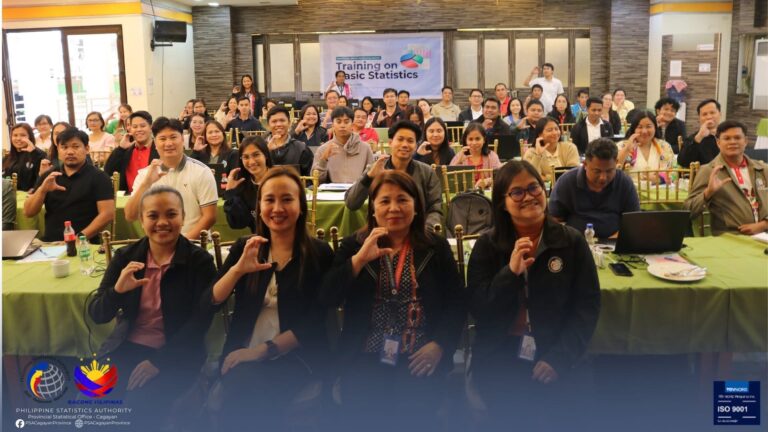
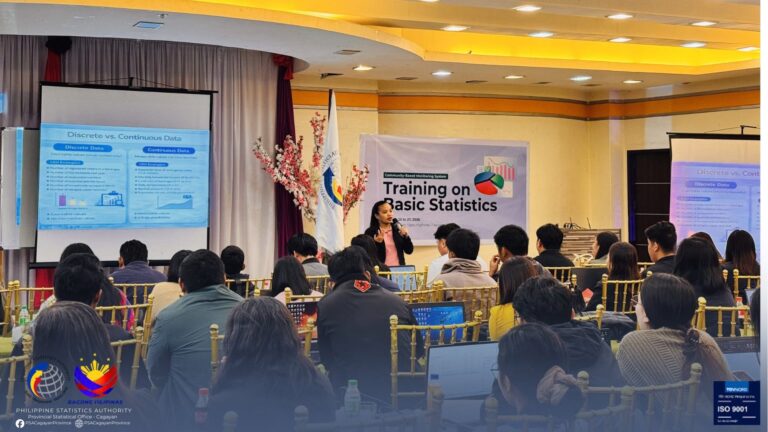
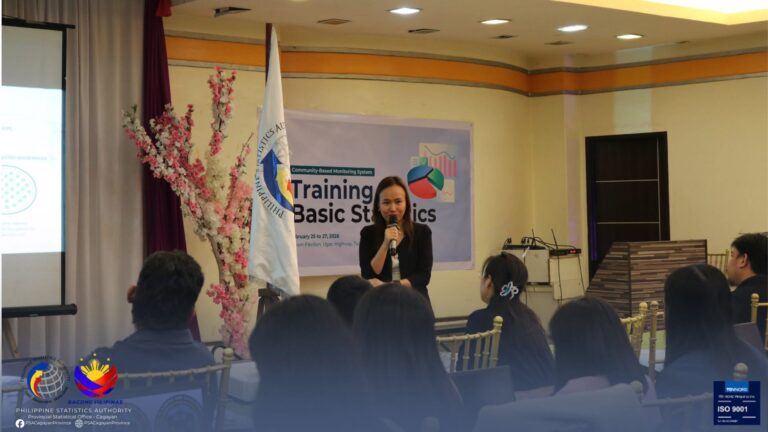
Training on Basic Statistics for Local Government Units
February 25 – 27, 2026
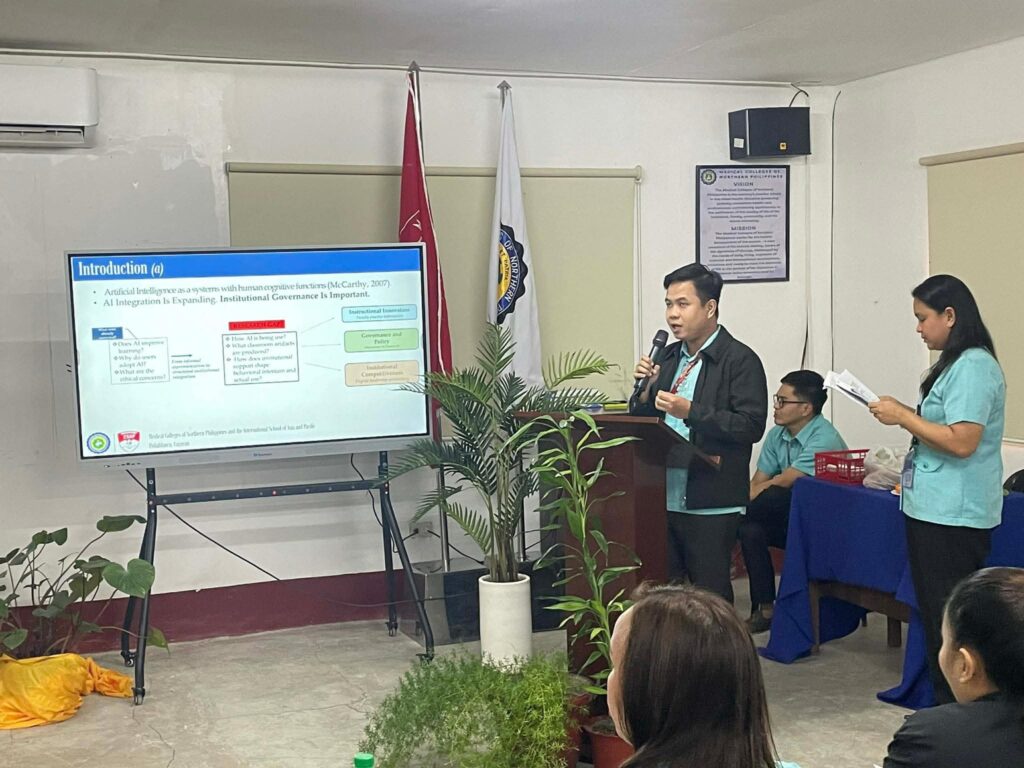
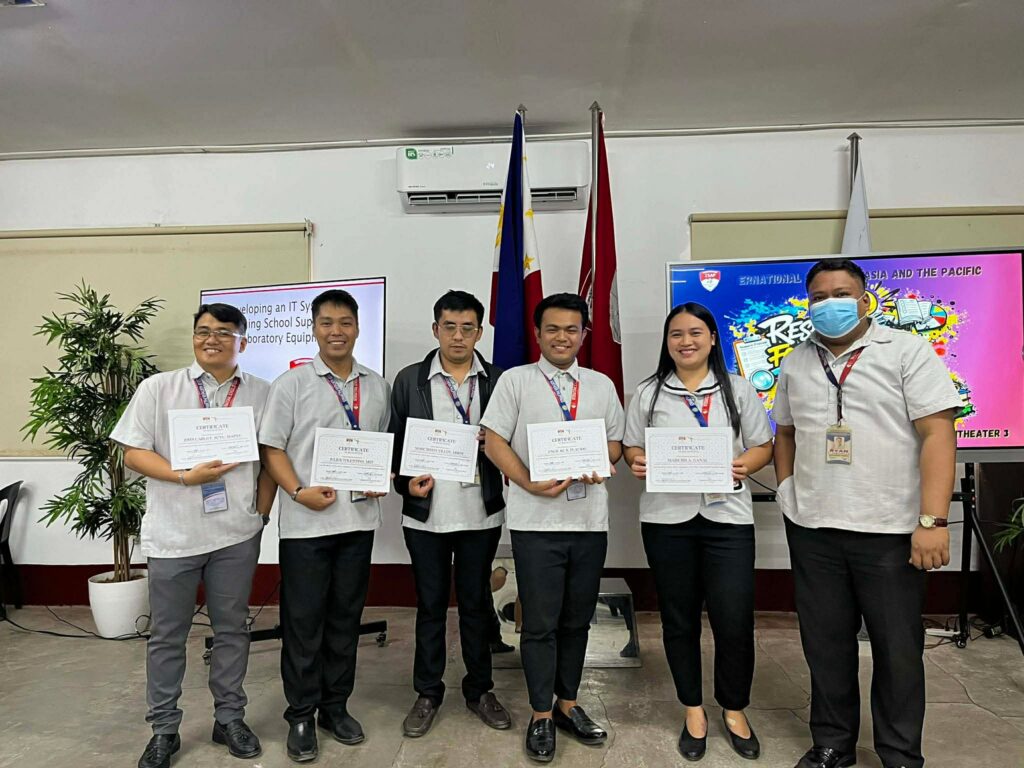
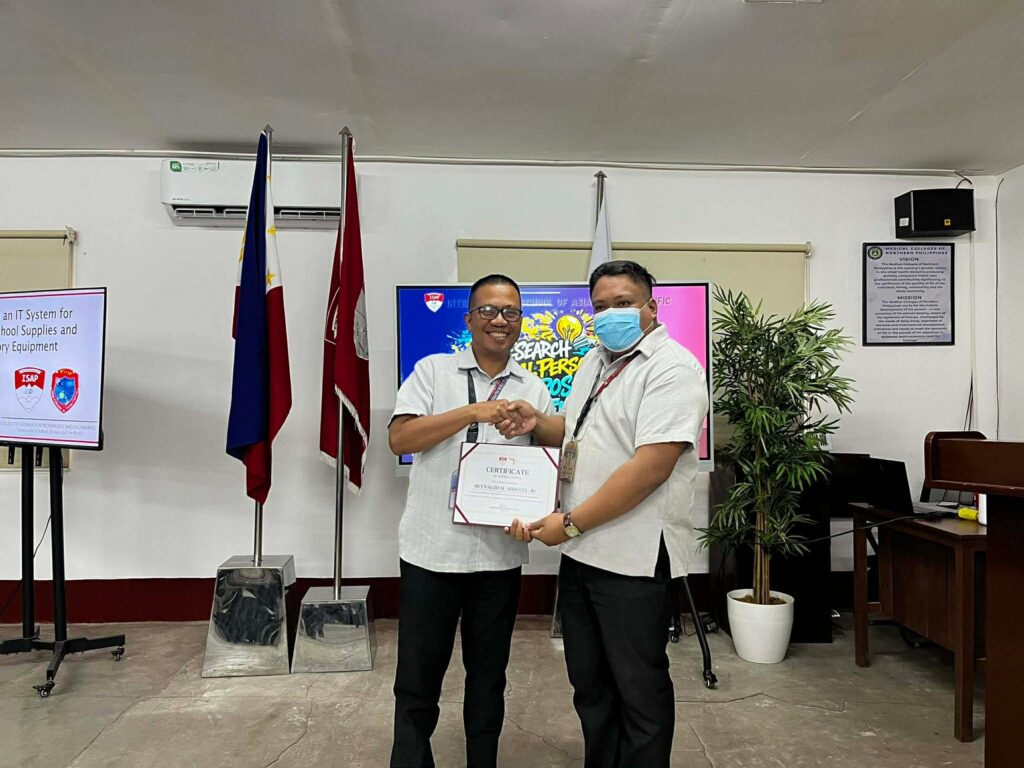
RESEARCH CONGRESS 2026
February 27 – 28, 2026


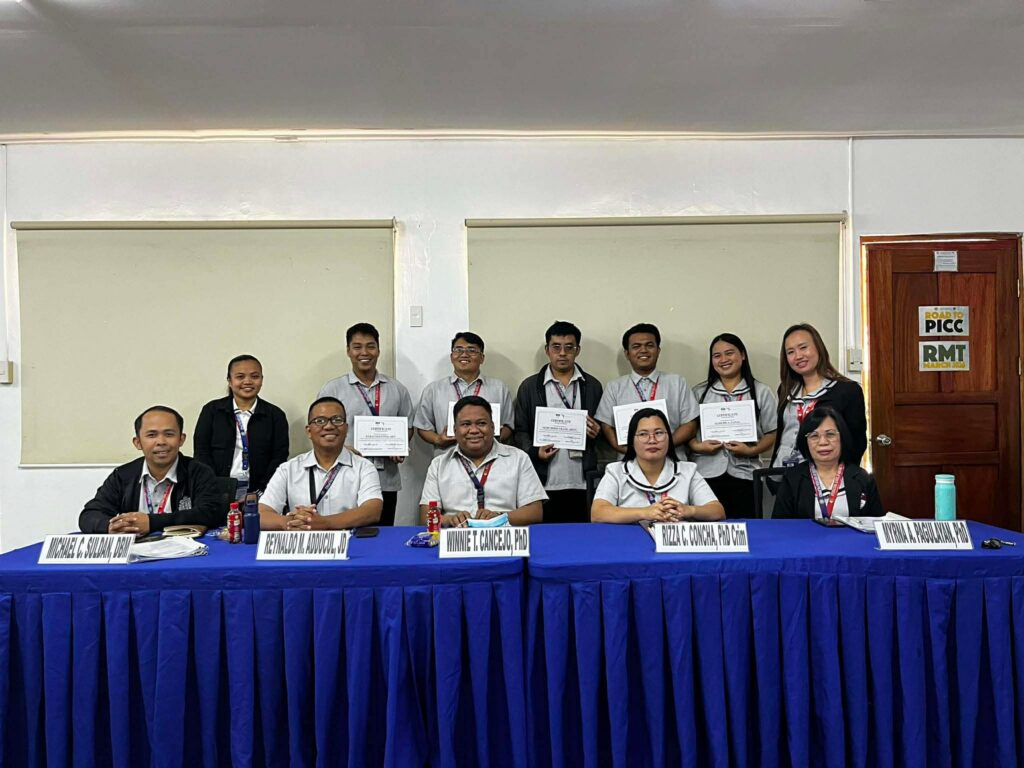
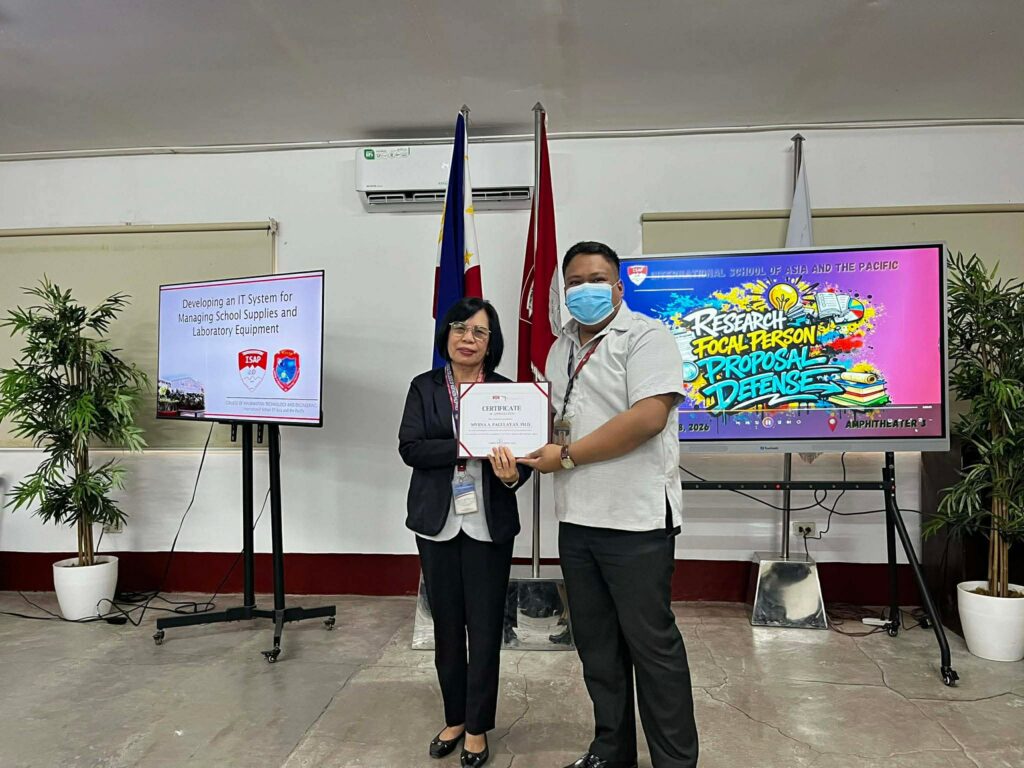
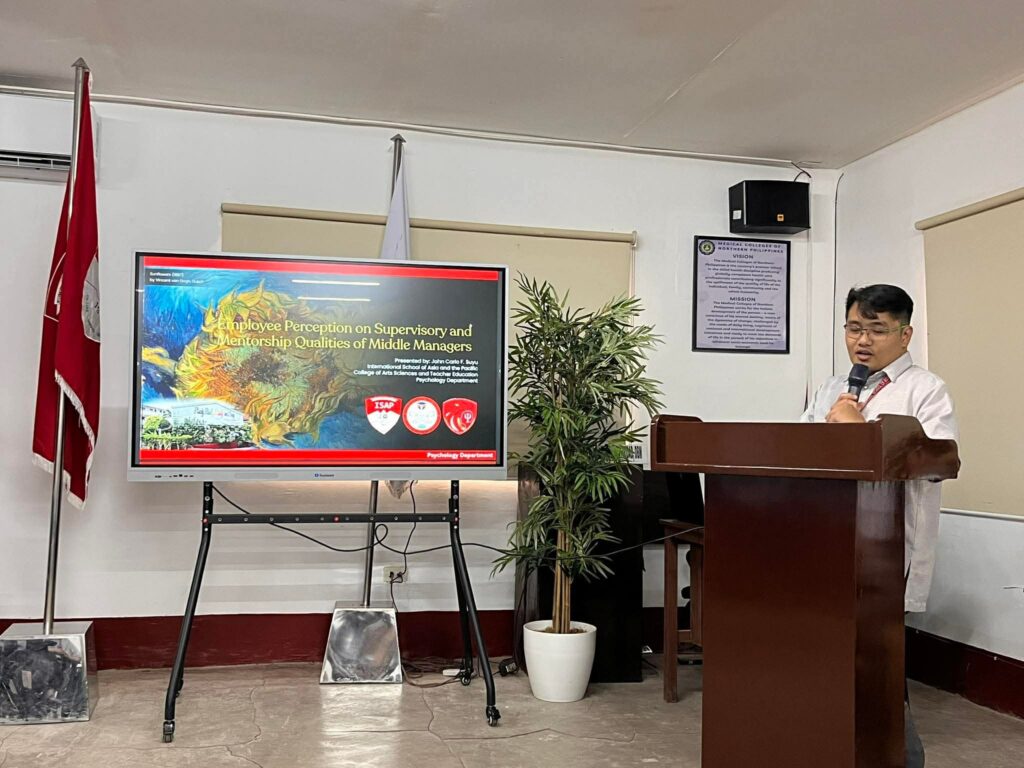
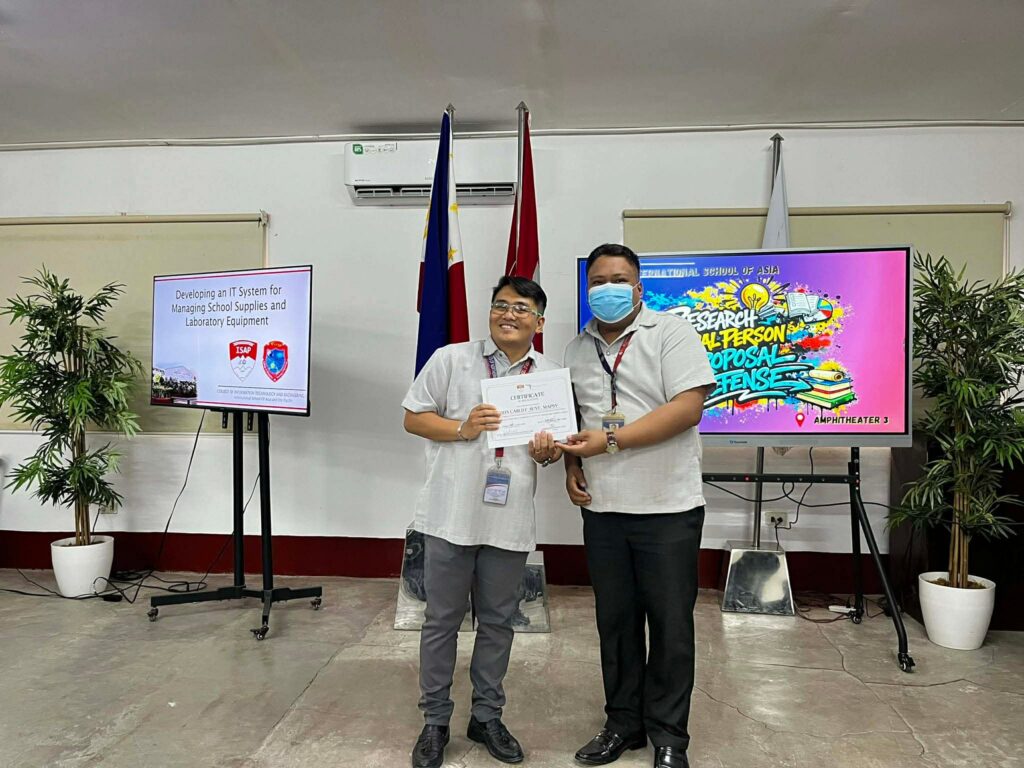
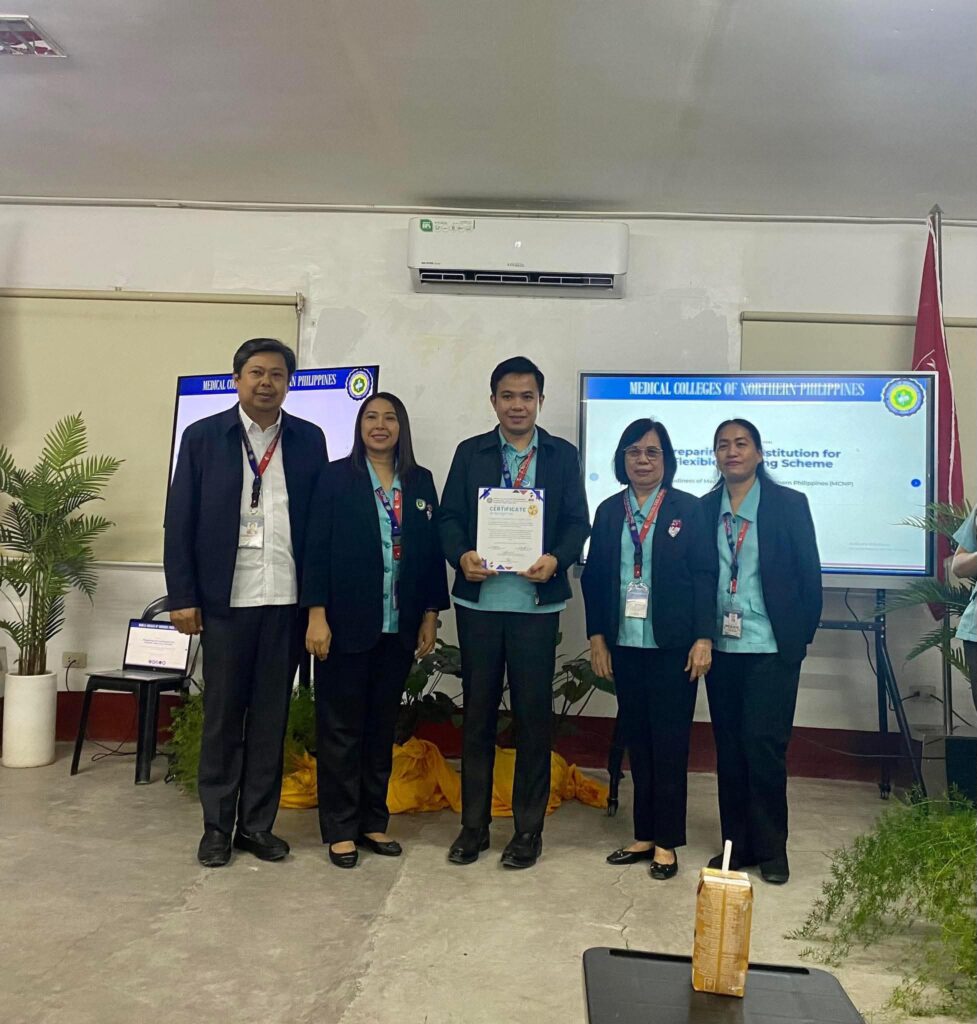
Research focal person proposal defense
March 18 – 25, 2026